 07 3274 3073
 info@jonlinhydraulics.com.au


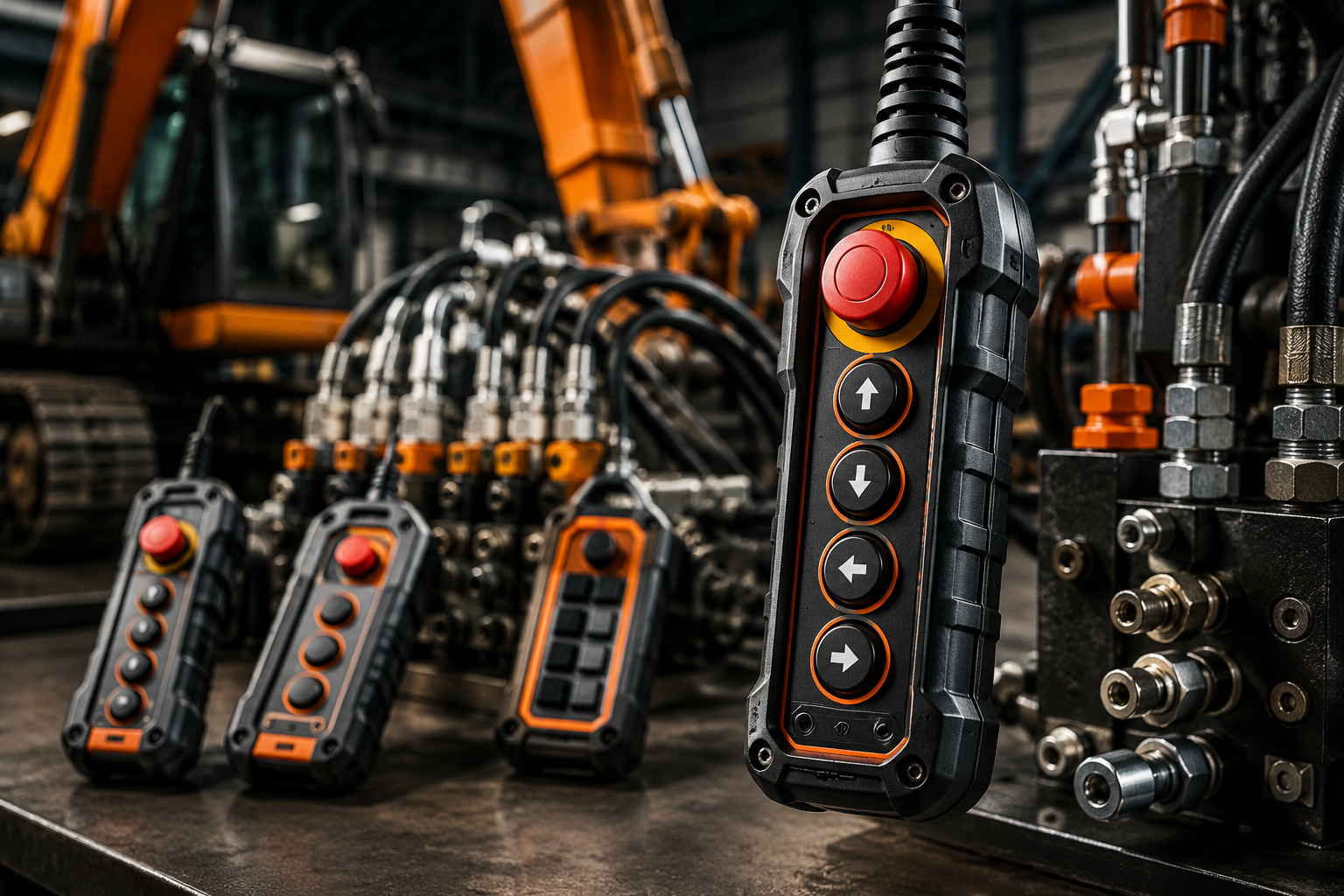
Choosing the right pendant controller directly impacts how safely and efficiently a hydraulic system runs on site. A well-matched pendant controller improves operator control, reduces strain during repetitive tasks, and lowers the chance of mechanical faults down the track.
According to Safe Work Australia, machinery operators and drivers recorded the highest fatality rate of any occupation in 2024, at 6.7 fatalities per 100,000 workers, more than five times the overall workplace fatality rate. This highlights why selecting the right control equipment matters as much as the machinery itself.
Why the Right Pendant Controller Matters
A pendant controller sits between the operator and the machine, so its design, durability and function all affect daily performance. Choosing poorly can lead to slower operation, increased downtime, and unnecessary safety risks for the operator.
Key Factors to Consider When Choosing a Pendant Controller
Selecting a suitable pendant controller comes down to matching the unit to the job. Before deciding, it helps to review:
- Number of functions required, such as lift, lower, extend or retract
- Cable length needed to suit the work area
- Button layout and ease of use for the operator
- IP rating for dust, water and outdoor exposure
- Compatibility with the existing hydraulic system
Types of Pendant Controllers Commonly Used
Different jobs call for different control setups. The table below outlines common options.
| Type | Best Suited For |
| Wired pendant controller | Fixed machinery with a consistent operator position |
| Wireless pendant controller | Larger work areas or where cable movement is a hazard |
| Multi function pendant controller | Complex hydraulic systems with several operations |
| Single function pendant controller | Simple, single-task machinery |
Steps to Selecting the Right Pendant Controller
A structured approach makes the decision easier and reduces the chance of choosing the wrong unit.
- Identify the exact functions the machine requires
- Assess the working environment, including exposure to weather and dust
- Confirm voltage and wiring compatibility with the hydraulic system
- Check the durability rating against how often the unit will be used
- Test the controller on site before committing to a full order
Maintaining Your Pendant Controller for Longer Life
Regular maintenance extends the working life of any pendant controller. This includes:
- Inspecting cables and connectors for wear
- Cleaning buttons and housings to prevent grit buildup
- Storing the unit away from direct sunlight and moisture when not in use
- Replacing worn components promptly rather than waiting for failure
Get the Right Advice for Your Site from Jonlin Hydraulics
Choosing the correct pendant controller is easier with guidance from a supplier who understands hydraulic systems and site conditions across Queensland. A properly selected pendant controller supports safer operation and fewer breakdowns over time.
Jonlin Hydraulics & Engineering supplies and supports hydraulic components, including pendant controllers, for customers throughout Brisbane, Gladstone, Emerald, Sunshine Coast, Coopers Plains, Richlands and Ipswich. Call us today to discuss the right controller for your equipment.
FAQs
What should I check first when choosing a pendant controller?
Start with the number of functions the machine needs, then match the cable length, IP rating, and voltage to your work environment.
Is a wireless pendant controller better than a wired one?
It depends on the site. Wireless suits larger work areas, while wired units are often more reliable for fixed machinery.
How often should a pendant controller be inspected?
Cables, connectors and housings should be checked regularly, with worn components replaced promptly to avoid unexpected downtime.
Can a pendant controller be matched to an existing hydraulic system?
Yes, most controllers can be matched by confirming voltage, wiring , and functional compatibility with your current setup.