 07 3274 3073
 info@jonlinhydraulics.com.au


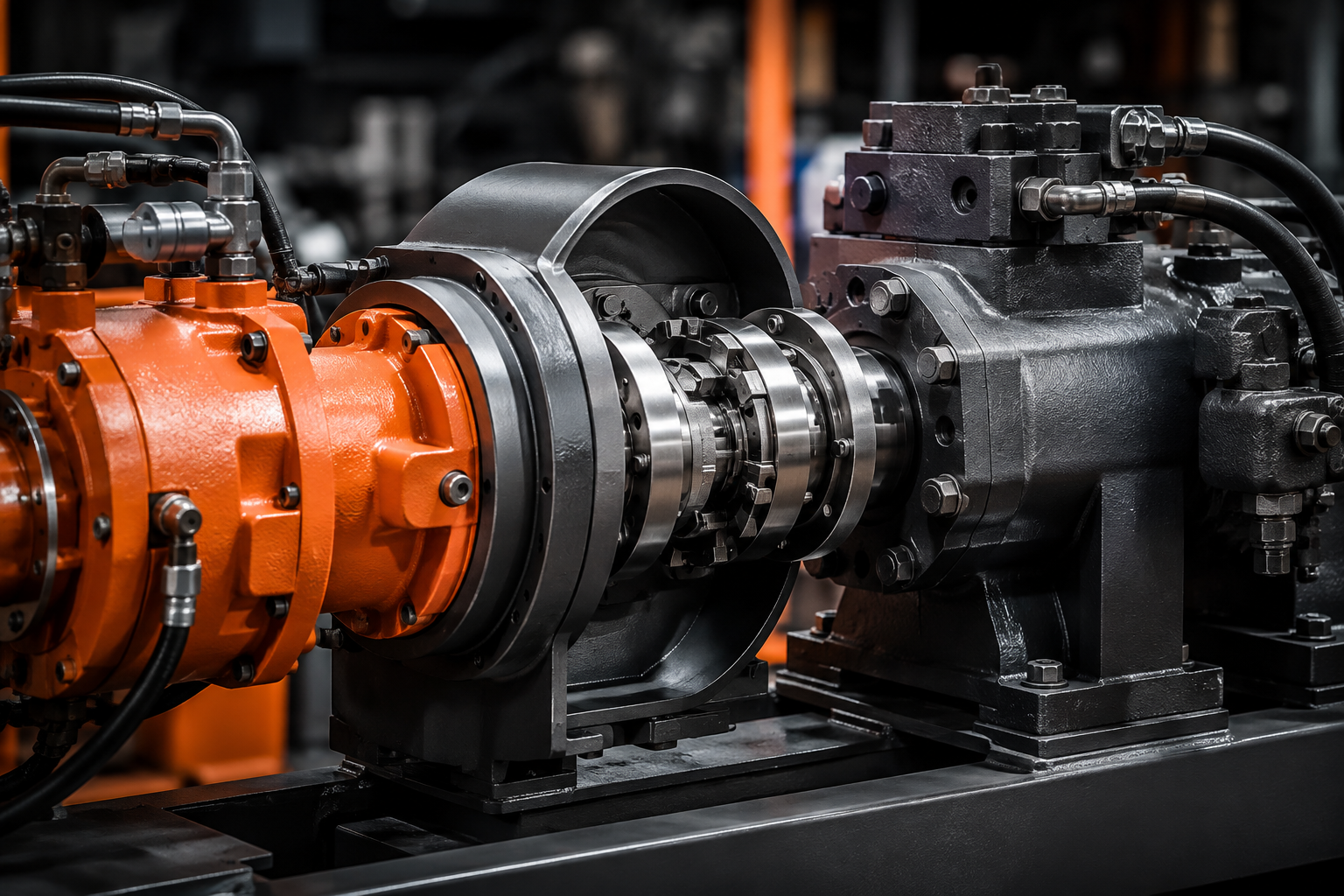
A motor coupling is the component that links a hydraulic motor to a hydraulic pump, allowing power to transfer between the two with minimal loss. Understanding how this connection works helps explain why hydraulic systems run smoothly when set up correctly, and why faults often trace back to this single point. The Australian hydraulic equipment market reached USD 1.27 billion in 2024 and is projected to grow steadily in the coming years, reflecting the widespread reliance on these systems across the construction, mining , and industrial sectors nationwide.
What a Motor Coupling Actually Does
A motor coupling connects the shaft of a hydraulic motor to the shaft of a hydraulic pump, or in some setups, to an engine driving the pump. Its job is to transfer rotational force while absorbing minor misalignment, vibration and shock load, protecting both components from unnecessary wear.
How a Hydraulic Motor and Hydraulic Pump Work Together
A hydraulic pump converts mechanical energy into fluid power by moving hydraulic fluid through the system. A hydraulic motor then converts that fluid power back into mechanical energy, driving the equipment. The motor coupling sits at the point where power first enters or exits this cycle, so its condition affects the performance of the whole system.
Common Types of Motor Couplings
Different coupling styles suit different setups. The table below outlines common options used between a hydraulic motor and hydraulic pump.
| Coupling Type | Best Suited For |
| Jaw coupling | General purpose setups needing shock absorption |
| Disc coupling | High precision alignment with minimal backlash |
| Gear coupling | Heavy duty applications with high torque |
| Flexible sleeve coupling | Absorbing vibration in variable load conditions |
Signs a Motor Coupling Needs Attention
A worn motor coupling can affect both the hydraulic motor and hydraulic pump if left unchecked. Common warning signs include:
- Unusual noise or vibration during operation
- Visible wear, cracking or play in the coupling
- Reduced efficiency or inconsistent power transfer
- Overheating near the connection point
Steps to Maintain a Healthy Motor Coupling
Regular attention to motor coupling helps protect the hydraulic motor and pump from premature wear.
- Check alignment between the pump and motor shafts regularly
- Inspect the coupling for cracks, wear or looseness
- Replace worn elements before they affect surrounding components
- Keep the coupling area free of dust, debris and moisture
- Confirm torque ratings match the demands of the system
Choose the Right Motor Coupling for Your Hydraulic System from Jonlin Hydraulics
Choosing the correct motor coupling between a hydraulic motor and hydraulic pump depends on load, alignment and operating environment. A specialist who understands hydraulic systems can help match the right coupling to your setup, reducing the risk of premature failure and unplanned downtime.
Jonlin Hydraulics supplies and services hydraulic motors, pumps and coupling components for customers throughout Brisbane, Gladstone, Emerald, Sunshine Coast, Coopers Plains, Richlands and Ipswich. Call us today to discuss the right coupling for your hydraulic system.
FAQs
What does a motor coupling do in a hydraulic system?
It links the hydraulic motor and hydraulic pump shafts, transferring rotational force while absorbing minor misalignment and vibration.
What are the signs that a motor coupling is wearing out?
Unusual noise, visible cracking, reduced power transfer and overheating near the connection point are common warning signs.
How often should a motor coupling be inspected?
It should be checked regularly for alignment, wear and looseness, ideally as part of routine hydraulic system maintenance.
Can any coupling connect a hydraulic motor to a hydraulic pump?
No, the coupling type should match the load, alignment and operating environment to avoid premature wear or failure.